
Oil stayed below $100 a barrel after Donald Trump played down new strikes on Iran, and China rejected spying claims as Nvidia investigated its chief executive. Honda began Rebel 300 deliveries in India, ferry workers pressed Ottawa over BC Ferries funding, and India’s central bank denied new cheque book rules.
Oil holds below $100 after Trump plays down fresh strikes on Iran
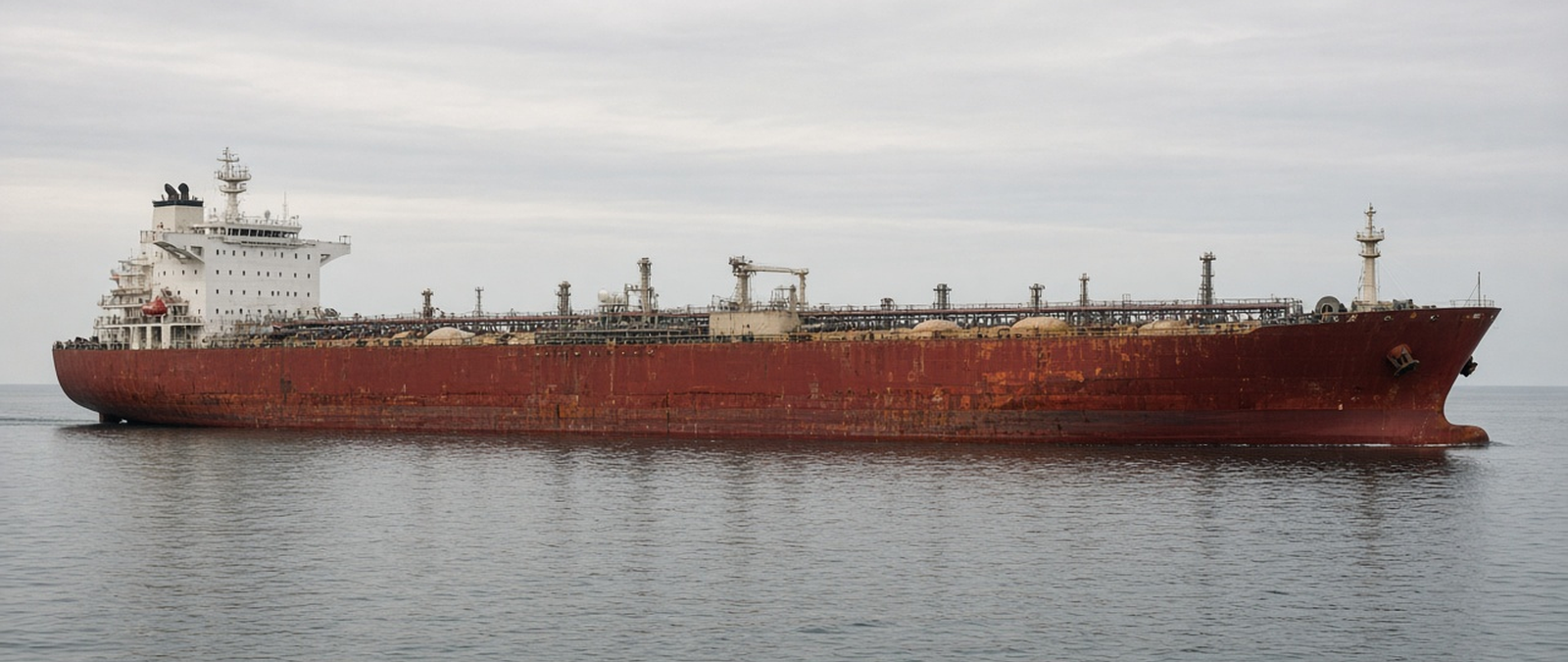
Oil prices were broadly steady on Monday after US President Donald Trump said new attacks on Iran were highly unlikely as long as talks to end the conflict kept moving. By 0427 GMT, Brent stood at $98.35 a barrel, a gain of 3 cents, and West Texas Intermediate had risen 0.5% to $91.30. Later in the session Brent fell 1.04% to $97.30 and WTI lost 58 cents to $90.29, extending a slide in which Brent dropped 16% over the previous week.
Analysts said the market was pricing in a calmer outcome even though no full agreement between Washington and Tehran had been reached, while attacks on ships near the Strait of Hormuz kept supply risks in view. Goldman Sachs raised its December Brent forecast to $105 from $90 and its WTI estimate to $94 from $81, warning that Brent could reach $140 in 2027 if Gulf output stays low. JPMorgan estimated a supply surplus of 1.1 million barrels a day in September, widening to 1.4 million in October.
Brent is the most widely used benchmark for crude prices and takes its name from oilfields in the British North Sea; most of the world’s oil, including Russian and West African grades, is priced by reference to it. Together with West Texas Intermediate it is one of the two commercial benchmarks for crude. Until the late 1970s most oil was sold at prices set by states and producers, and the shift to market benchmarks followed the 1973 oil crisis and the failure of producer pricing.
China rejects spying claims after Nvidia opens inquiry into Jensen Huang’s affair
China’s foreign ministry dismissed as groundless speculation and slander the allegations that a Chinese spy had targeted Nvidia, after the company’s chief executive, Jensen Huang, admitted in a memo to staff that he had an affair with a woman suspected of working for Chinese intelligence. Huang apologised to his family and colleagues and said he would cooperate fully. Nvidia’s board has opened an independent investigation, overseen by a committee of independent directors with outside counsel, and Huang remains in charge.
The woman, Alice Huang, is a Chinese citizen and an executive at Megaspeed, a data centre company based in Singapore and an Nvidia customer. The board said it had no reason to believe national security or company secrets were compromised. Trump said he had not spoken to Huang and called him an honourable guy, while senior Republicans in the House of Representatives asked him to brief Congress this month. Senator Chris Coons, a Democrat, pledged to open an inquiry, and Nvidia shares slipped in trading before US markets opened.
Huang, born in Taipei in 1963, co-founded Nvidia in 1993 and has been its president and chief executive ever since. The chipmaker became the world’s most valuable company and has passed a market value of more than $5 trillion, and leading developers of artificial intelligence rely on its processors. Huang has lobbied the US government to lift a ban on sales of advanced chips to China, arguing that the restrictions speed up Beijing’s own work on the technology.
Honda begins delivering the Rebel 300 cruiser to buyers in India
Honda has started delivering the Rebel 300 cruiser in India, with the first motorcycles reaching some of its BigWing dealerships and a number of buyers taking delivery around the Dhanteras festival. The full Indian specifications were released nearly three months after prices were announced. The standard model costs Rs 2.22 lakh and the E-Clutch version Rs 2.62 lakh, both ex-showroom, so the electronic clutch adds a premium of Rs 40,000.
Both versions use a 286 cc liquid-cooled single-cylinder engine rated at 27.6 PS, reached at 8,000 rpm, with peak torque of 24.5 Nm arriving at 6,250 rpm, paired with a six-speed gearbox. The E-Clutch system can work the clutch automatically when starting, stopping and changing gear, and adds 3kg, taking the weight to 176kg against 173kg for the standard bike. The seat sits 690mm from the ground. Delivery dates vary by city, with some dealers expecting November or early December and Pune facing a wait until January 2027.
The Rebel name belongs to Honda’s CM series of cruiser motorcycles, and the company has built Rebel models on and off since 1985, when it introduced the original small-capacity version aimed at younger and first-time riders. Honda has not published a national delivery schedule for the new model, so buyers have been told to check timings with their own BigWing dealer. The staggered rollout means only a small number of customers have received their motorcycles so far.
Ferry workers press Ottawa over funding gap for BC Ferries
The union representing BC Ferries staff has asked why the federal government is ignoring what it calls a ferry funding crisis in British Columbia, after the federal budget included no money for the operator. Union president Eric McNeely said letters had been sent to Ottawa seeking support and that the system carries more people than all other Canadian ferries combined but receives less funding. The union says Ottawa pays 43 per cent of operating costs for Atlantic ferry services but three per cent for BC Ferries.
The operator warned two years ago that fares could need to rise by about 30 per cent in 2028 to cover running and capital costs, citing shipbuilding costs that are up 40 per cent, higher fuel and labour bills and four new vessels expected to cost more than one billion dollars. Gord Johns, a New Democrat MP for Courtenay-Alberni, said British Columbians receive about six dollars per person for operating costs while Atlantic Canada gets $125, and called the situation unfair.
BC Ferries was set up in 1960 after job action disrupted the private ferry services of the time, and its first route linked Swartz Bay on Vancouver Island with Tsawwassen using two vessels. It has since become the largest passenger ferry line in North America, with a fleet of 41 vessels serving 47 locations on the coast. McNeely urged the provincial government to demand federal ferry funding, and a local Liberal MP was not available for comment.
Reserve Bank of India denies that new cheque book rules start in January
The Reserve Bank of India has rejected messages circulating on social media claiming that new cheque books with updated security features under the Cheque Truncation System would be introduced from January 1, 2027. The central bank said no changes were being made to the existing cheque books and described the claims as factually incorrect and misleading. The messages had suggested that cheque books now in use would stop being valid after December 31, 2026.
The bank stressed that no such change had been announced and advised the public to rely only on its own official channels for information about cheque rules and other banking matters. The clarification came after messages about new cheque book standards and security features taking effect at the start of the year had been shared on social media. According to the central bank, the cheque books customers already hold remain unchanged and can continue to be used as before.
Cheque truncation is a clearing method in which a paper cheque is converted into a digital image that is sent to the paying bank, so the paper itself no longer has to travel between banks, cutting the time and cost of clearance. The Reserve Bank, set up on 1 April 1935, is India’s central bank and regulates its banking system, and together with the Indian Banks’ Association it established the national body that runs the country’s payment networks.